Indonesian Coffee
Indonesia has exported coffee since 1711, when the Dutch East India Company sent its first shipment from Java to Europe. This shelf lists coffees whose roaster names Indonesia as the only origin.
Read more about Indonesian coffee
Coffee grows on several islands, including Sumatra, Java, Sulawesi, Flores and Bali. Sumatra has 2 crops a year: a fly crop around May and June and a main crop around September and October. Most of Java's arabica grows on 5 government-owned estates on the volcanic Ijen Plateau, at around 1,370 meters above sea level.
The traditional method is giling basah, or wet hulling. Farmers pulp the coffee, ferment it overnight and wash it, then dry it for 2 to 3 days. The parchment husk comes off while the beans still hold about 20 to 24 percent moisture, and drying continues to 12 to 13 percent. Perfect Daily Grind links the method to Indonesia's humidity, which makes long drying in parchment risky. See wet-hulled coffee or Asia-Pacific coffee.

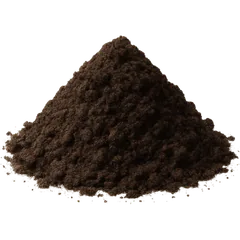
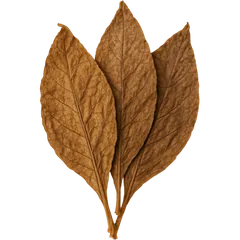
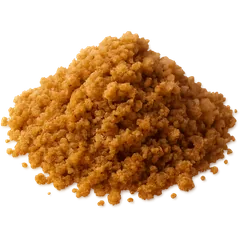

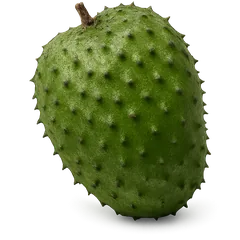
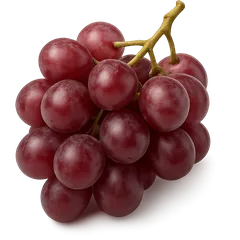



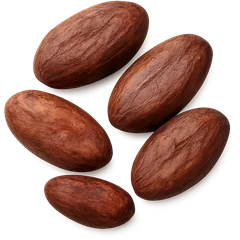


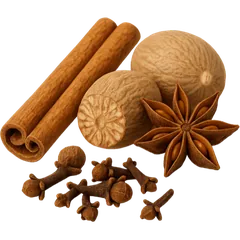
Smoky, Full-bodied, Earthy

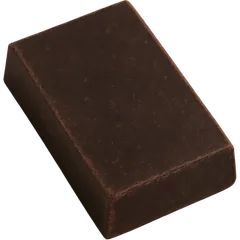
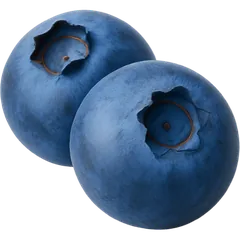
Rich, Dark chocolate, Blueberry

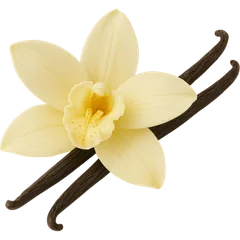


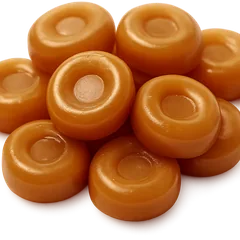
Cedar, Butterscotch, Earthy


Shop by country
Questions about Indonesian coffee
What does Indonesian coffee taste like?
Perfect Daily Grind says Indonesia is known for an earthy or smoky profile, while coffee buyer Richard Keane notes that you can also find fruity notes and very heavy bodies there. The same article ties the country's style to the extreme humidity that leads producers to wet hull their beans.
Source: perfectdailygrind.comWhat does wet-hulled coffee taste like?
Perfect Daily Grind describes wet-hulled coffee as extremely rich and strong, with a syrupy body and very low acidity, and says it can carry a slight tobacco note. The same guide calls the flavors average and inconsistent and says the cup has little sweetness.
Source: perfectdailygrind.comIs Indonesian coffee arabica or robusta?
Both. Importer Mercanta reports that Indonesia grew almost only arabica until coffee leaf rust destroyed much of it in the 1870s, after which farmers slowly replaced it with robusta. Today only about 25 percent of Indonesia's production is arabica, from varieties including Typica, Caturra, Bourbon, Catimor, Tim Tim and S-Hybrids.
Source: coffeehunter.comWhat is Sumatra Mandheling coffee?
Mandheling is a name long used for coffee from Sumatra, the largest island in the Indonesian archipelago. For years, Sumatran coffees were sold as Mandheling or Lintong, names that said little about where they grew. Importer Mercanta lists Aceh, Lintong and Mandheling as well-known areas within Sumatra.
Source: coffeehunter.com